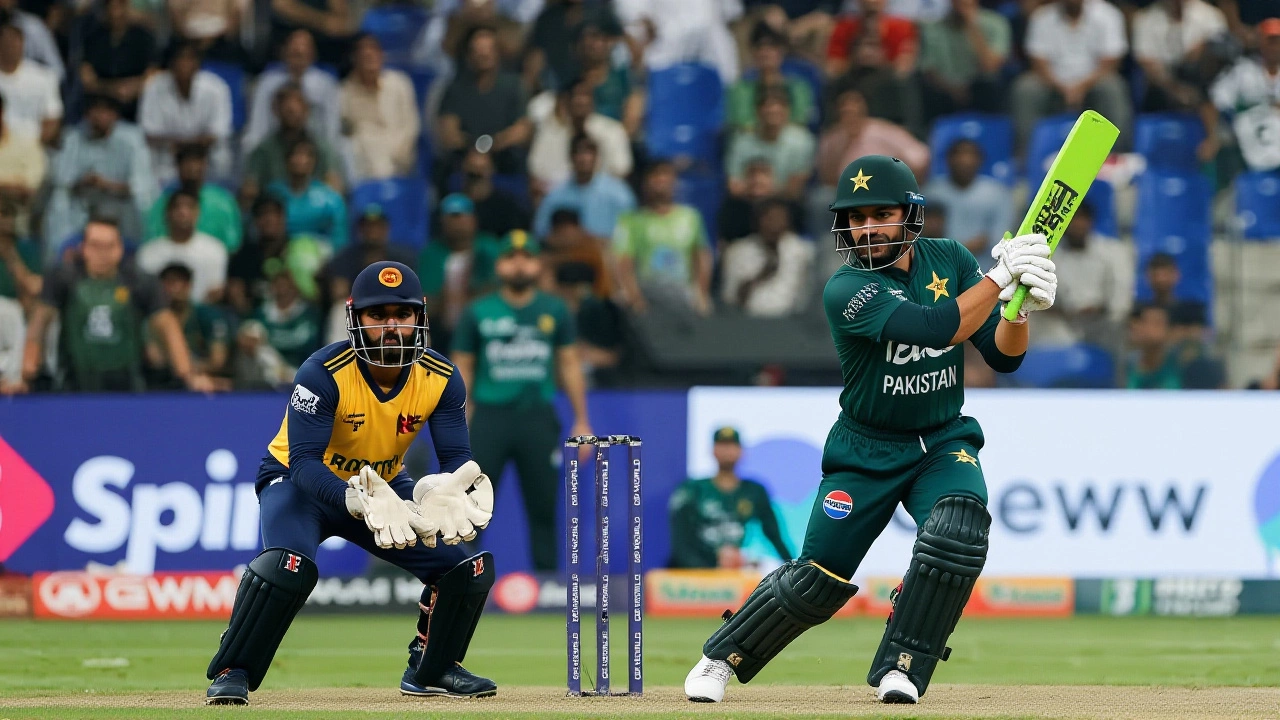
On Sunday, November 16, 2025, Pakistan will take the field at the Rawalpindi Cricket Stadium aiming to complete a historic 3-0 series whitewash over Sri Lanka in their first ODI series on Pakistani soil since 2019. The stage is set for a coronation of sorts — Pakistan, dominant throughout the series, enters the final match with momentum, confidence, and a century from their captain. Sri Lanka, meanwhile, arrives not just as visitors, but as survivors of a grueling tour that’s exposed gaps in both batting depth and bowling consistency. Here’s the thing: this isn’t just another match. It’s a statement.
Why This Series Matters More Than the Scoreline
Sri Lanka’s return to Pakistan for bilateral ODI cricket after a six-year absence is a quiet milestone in South Asian cricket diplomacy. Since their last tour in 2019 — which ended amid political tensions and security concerns — international teams have largely avoided Pakistan for multi-match series. The fact that Sri Lanka agreed to this three-game ODI tour, all held in Rawalpindi, signals a cautious but meaningful thaw. For Pakistan, it’s an opportunity to showcase stability, both on and off the field. For Sri Lanka, it’s a chance to rebuild credibility after a string of poor performances abroad.The Dominance of Pakistan: Batting, Bowling, and Babar
Pakistan’s 8-wicket win in the second ODI wasn’t just a victory — it was a masterclass. Babar Azam, the captain, smashed a 117 off 104 balls, guiding his side to victory with calm authority. That innings wasn’t isolated. In the first match, Saim Ayub and Fakhar Zaman laid a 156-run opening stand, setting the tone. The middle order, led by Mohammad Rizwan and Hussain Talat, has been unshakable. Even when pressure mounted, they held firm. The bowling attack, spearheaded by Shaheen Shah Afridi, has been surgical — 12 wickets in two games, with an economy rate under 5.2. The spin duo of Salam Agha and Shadab Khan has turned the middle overs into a minefield.Sri Lanka’s Struggles: A Team in Transition
Sri Lanka’s batting has looked disjointed. Their top order, once feared, has collapsed under Pakistani pace and spin. In the second match, they were bowled out for 212 — their lowest total in an ODI against Pakistan since 2017. Captain Dhananjaya de Silva has been inconsistent, and the middle order, reliant on Kusal Mendis and Bhanuka Rajapaksa, has failed to fire. The bowling, led by Wanindu Hasaranga, has shown flashes but lacks depth. Their lone bright spot? A 67 from Pathum Nissanka in the first match — the only half-century Sri Lanka has managed in the series.What to Expect in the Final Match
Weather forecasts call for a clear, sunny day in Rawalpindi with temperatures around 24.2°C — ideal for batting. But here’s the twist: most experts, including CricketAddictor.com and BDCricTime.com, believe the team batting second will have the edge. Why? Because the pitch, though flat, has slowed slightly in the second innings of both matches. Teams chasing have found it easier to rotate strike and accelerate later. Still, a target of 310–320 is seen as the benchmark. If Pakistan bats first and crosses 315, Sri Lanka’s chances vanish. If Sri Lanka posts 300+, it becomes a nail-biter.Expect Pakistan to win the toss and choose to bowl — a strategy that’s worked in both previous games. Shaheen will open with the new ball, aiming to exploit early swing. The powerplay will be critical. Sri Lanka’s top three must survive the first 10 overs, or the match could be over before lunch.
The Bigger Picture: What This Means for Asian Cricket
A 3-0 win for Pakistan would be their first ODI series whitewash against Sri Lanka since 2013. It would also extend their unbeaten home ODI streak to 14 matches — the longest active run in the world. For Sri Lanka, it would mark their 10th consecutive ODI series loss away from home. The gap between the two teams has never been wider. And yet, this series isn’t just about rankings. It’s about confidence. Pakistan’s young batsmen — Ayub, Agha, Talat — are stepping up. Sri Lanka’s veterans are aging, and their next-gen talent hasn’t yet arrived in force.For cricket fans, this series is a reminder that dominance isn’t always loud. Sometimes, it’s quiet — built on discipline, consistency, and the ability to deliver under pressure. Pakistan has shown all three. Sri Lanka? They’re still searching.
Frequently Asked Questions
Has Sri Lanka ever won an ODI series in Pakistan?
No. Sri Lanka has never won an ODI series in Pakistan. Their last series win against Pakistan was in 2017 in Sri Lanka. Since 2000, Pakistan has won 11 of the 13 bilateral ODI series played between the two teams, with the other two ending in draws. Their last ODI win in Pakistan came in 2014 — a 3-2 series victory. Since then, Pakistan has won every single ODI series at home against Sri Lanka.
Why is this series being held only in Rawalpindi?
The Pakistan Cricket Board (PCB) chose Rawalpindi Cricket Stadium as the sole venue to minimize logistical complexity and ensure consistent pitch conditions. After the 2019 tour, which was marred by scheduling issues and fan safety concerns, the PCB opted for a single venue to streamline operations. Rawalpindi’s pitch has historically favored pace and spin equally, making it ideal for testing all-round team strength.
How does Babar Azam’s performance compare to his past ODI series against Sri Lanka?
Babar Azam averages 72.4 against Sri Lanka in ODIs since 2017 — his highest average against any full-member nation. He has scored 6 centuries in 15 innings against them, including a 125 in Colombo in 2019. This series marks his third consecutive ODI century against Sri Lanka — a feat no other Pakistani batsman has achieved. His consistency under pressure has made him the most reliable batsman in Pakistan’s current lineup.
What’s the significance of this series for Sri Lanka’s World Cup preparations?
Sri Lanka enters the 2027 Cricket World Cup qualifiers next year, and this tour was meant to be a confidence-building exercise. But their batting collapses and lack of depth in spin options have raised red flags. If they can’t score above 270 consistently against a middle-tier bowling attack like Pakistan’s, their chances in the World Cup — especially on slower pitches — look slim. This series has exposed more problems than solutions.
Could this be the end of Pakistan’s home dominance in ODIs?
Not anytime soon. Pakistan’s home ODI record since 2021 is 18 wins, 1 loss, and 1 no-result. Their ability to adapt pitch conditions, rotate bowlers effectively, and maintain pressure in the middle overs is unmatched. With young talents like Ayub and Agha emerging, and Afridi still at his peak, their dominance is likely to continue — at least until the 2027 World Cup, when they’ll face stronger, more balanced teams abroad.