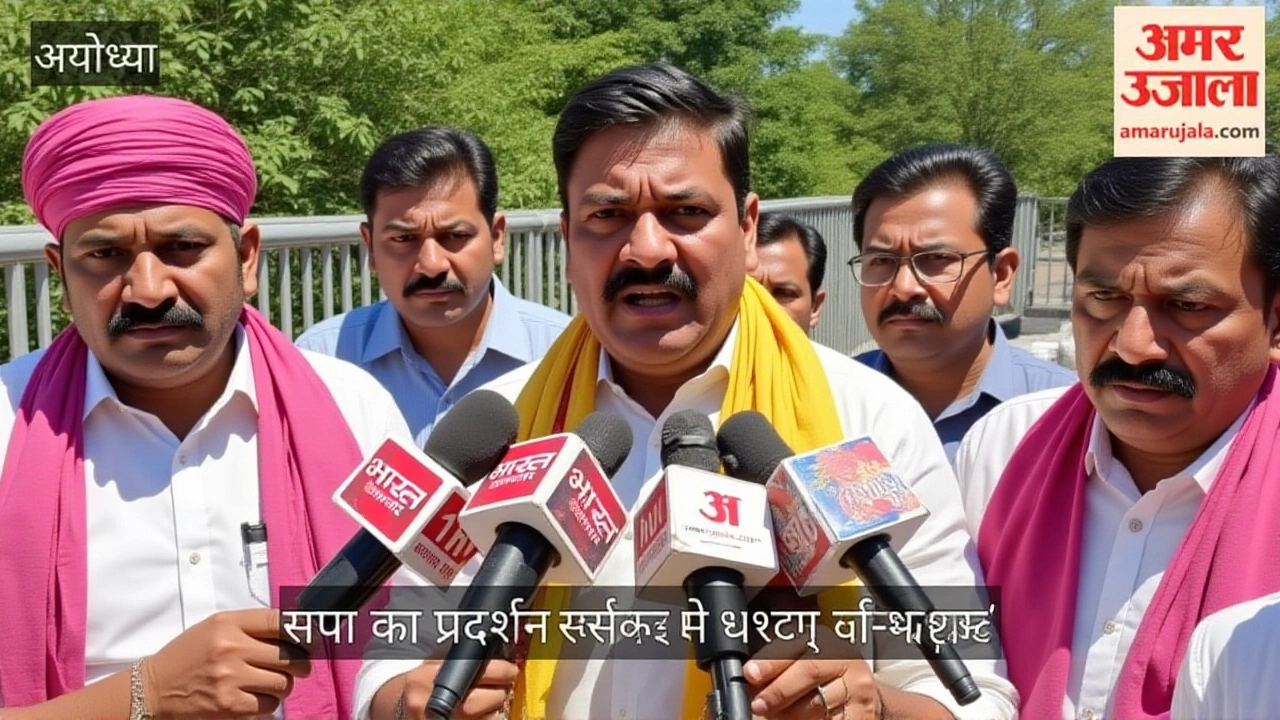
When an unnamed Member of Parliament, Samajwadi Party took to the streets of Faizabad on May 26, 2026, the message was loud and clear: ordinary citizens are buckling under the weight of rising prices. The protest, held in the bustling Sadar area of Ayodhya, district headquarters of Uttar Pradesh, marked a sharp escalation in opposition rhetoric against the current economic climate.
Here’s the thing about political rallies in UP—they’re rarely just about slogans. They’re barometers of public sentiment. This particular demonstration, organized by the Samajwadi Party (SP), focused squarely on two pain points that keep families up at night: inflation and unresolved civic issues. While the specific demands weren’t detailed in initial reports, the choice of location—a city currently in the global spotlight due to religious tourism—suggests a strategic move to highlight local grievances amidst national attention.
The Scene in Sadar: A Cry Against Rising Costs
The atmosphere in Sadar, Faizabad, was charged. Video footage circulating on digital platforms like Public App showed party workers and leaders gathering to voice their dissent. The core grievance? The skyrocketing cost of essentials. From fuel to food grains, the narrative presented by the SP is one of economic distress affecting the common man.
But wait, there’s more to the story than just peaceful chanting. Reports from Hindi news channels, including P Newz India, hinted at tensions between protesters and law enforcement. Phrases like “dhakka-mukki” (pushing and shoving) appeared in video titles, suggesting that the police presence was not merely observational but interactive. Whether this amounted to a full-blown clash or minor jostling remains unclear, as official statements confirming arrests or injuries have not been released.
Turns out, the lack of precise data is part of the challenge here. We don’t know exactly how many people participated. We don’t have the exact time the rally began or ended. What we do know is that the SP chose to make its mark in a high-visibility zone, ensuring that the issue of inflation couldn’t be ignored by the media or the administration.
Who Led the Charge? The Mystery of the Unnamed MP
One of the most striking aspects of this event is the anonymity of its leader. The sources refer to him simply as “Sansad” (Member of Parliament). No name. No constituency. No photo identification in the text-based reports.
This raises questions. Why lead a major protest without claiming individual credit? It could be a tactical decision to emphasize collective party strength over personal ambition. Alternatively, it might reflect internal dynamics where senior leadership prefers to stay in the background while fielding active legislators. Regardless, the MP’s role was pivotal—he was the face of the agitation, addressing the crowd and directing the march toward key administrative buildings in Sadar.
Interestingly, the absence of other prominent names—such as district presidents or MLAs—in the immediate coverage suggests this was a tightly coordinated effort, possibly aimed at testing the waters for larger upcoming agitations. Or perhaps it was a spontaneous reaction to a sudden spike in local market prices.
Media Coverage and Digital Footprint
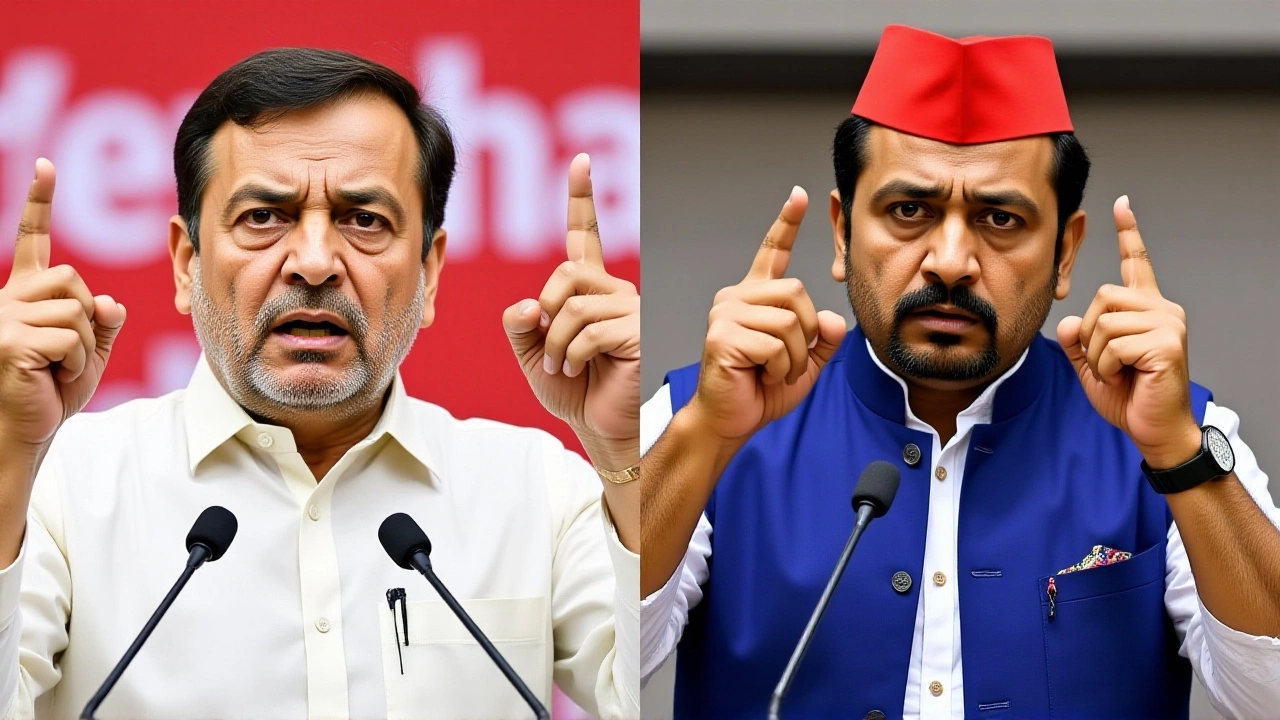
In today’s hyper-connected landscape, protests live and die by their digital footprint. This rally was no exception. Public App, a platform known for short-form regional content, tagged the event with #national and #politics, signaling its broader relevance beyond just Ayodhya. Meanwhile, YouTube hosts several clips from outlets like P Newz India, though some links are now broken or unavailable.
The twist is that while the videos exist, the textual metadata offers little depth. Hashtags like #HindiNews and #TodayBreaking dominate, but substantive analysis is scarce. This creates a fragmented picture: viewers see the energy of the crowd but miss the context. Are these isolated incidents? Part of a statewide campaign? Without expert commentary or official responses in the available snippets, it’s hard to gauge the true scale of impact.
Still, the fact that multiple media houses covered the event indicates it wasn’t a minor skirmish. It resonated enough to warrant broadcast time, even if the narrative remains incomplete.
Why This Matters: The Bigger Picture
Let’s step back and look at the broader implications. Uttar Pradesh is India’s most populous state and a critical swing region in national politics. Any sign of unrest, especially regarding livelihood issues, sends ripples through the political ecosystem. If the Samajwadi Party can mobilize support around inflation, they may gain traction ahead of future elections.
Moreover, Ayodhya’s transformation into a major pilgrimage destination has brought both prosperity and pressure. Infrastructure strains, price hikes, and displacement concerns are real issues for locals. By highlighting these problems, the SP is tapping into a genuine sense of alienation among residents who feel left behind by rapid development.
Experts suggest that such protests often serve as precursors to larger movements. If similar rallies spread to other districts, the government may be forced to address underlying economic disparities. For now, however, the situation remains contained to Faizabad, with no immediate policy changes announced.
What’s Next? Watching for Escalation
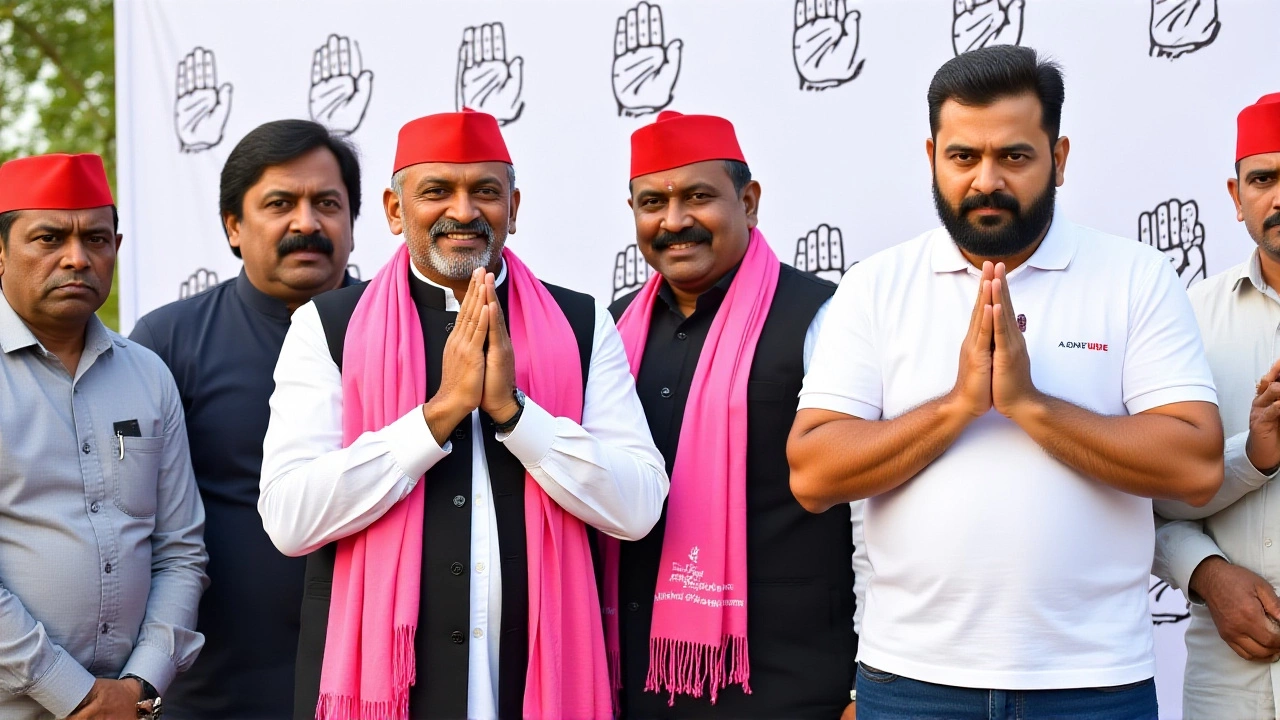
So, what happens after the dust settles? The Samajwadi Party hasn’t announced any follow-up actions yet. But history shows that single-day protests are rarely the end of the story. Expect more press conferences, possibly memoranda submitted to district collectors, and increased scrutiny on local markets.
For citizens, the immediate concern is whether their voices will be heard. Will the administration launch an inquiry into price manipulation? Will relief measures be introduced? Only time will tell. In the meantime, the eyes of the nation remain on Ayodhya, waiting to see if this spark ignites a larger flame.
Frequently Asked Questions
Who led the Samajwadi Party protest in Ayodhya?
The protest was led by an unnamed Member of Parliament (MP) affiliated with the Samajwadi Party. Sources did not disclose the MP’s full name, constituency, or specific political portfolio, referring to them only as "Sansad." This anonymity may be a strategic choice to focus attention on the party’s collective stance rather than individual leadership.
What were the main demands of the protesters?
The primary grievances cited were rising inflation and unresolved public issues. While specific demands like price caps on vegetables or subsidies were not explicitly listed in available reports, the general theme centered on economic hardship faced by common citizens due to increasing costs of living in the Ayodhya district.
Did any clashes occur during the demonstration?
Video titles from news outlets mentioned "dhakka-mukki" (pushing and shoving) between protesters and police, indicating some level of physical tension. However, official reports confirming arrests, injuries, or lathi charges have not been published. The extent of the confrontation remains unverified by independent authorities.
Why was the protest held in Sadar, Faizabad?
Sadar, Faizabad, is the administrative heart of Ayodhya district, housing key government offices. Holding the protest here ensures maximum visibility and direct appeal to district officials. Additionally, Ayodhya’s current status as a major tourist hub makes it a sensitive location, amplifying the political significance of any disruption or demonstration.
How did the media cover the event?
The protest was covered by digital platforms like Public App and Hindi news channels such as P Newz India. Coverage included video clips and social media posts tagged with national politics hashtags. However, detailed factual reporting, such as crowd size or official responses, was limited in the accessible text-based summaries.